
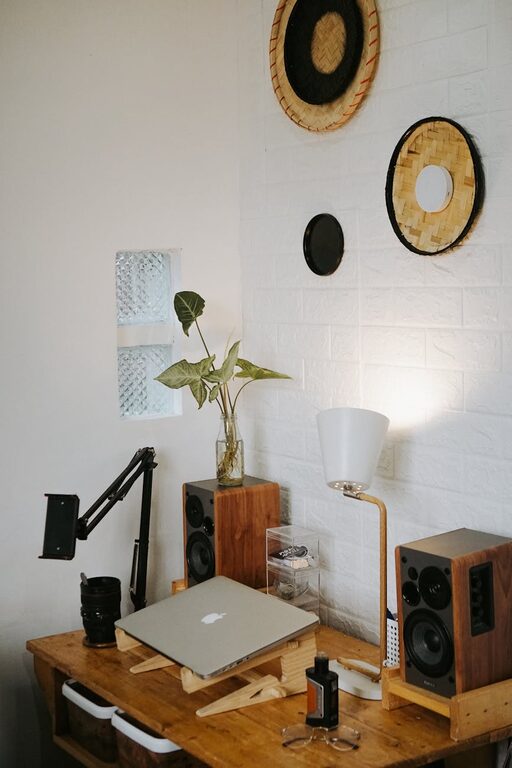
Working from home has become an increasingly common aspect of modern life. Whether you’re freelancing, working remotely for a company, or pursuing personal projects, having a dedicated and well-organized home office can make a significant difference in your productivity and overall work experience. A productive home office is not just about having a desk and a computer—it’s about creating an environment that supports focus, creativity, and comfort. Here are some helpful tips to design a home office space that enhances your productivity.
Choose the Right Location
Selecting the right spot for your home office is the first step toward creating a productive workspace.
– Separate Space: Ideally, find a quiet corner in your home that is separate from common living areas. This separation helps establish a work mindset and minimizes distractions.
– Natural Light: If possible, position your workspace near a window. Natural light can boost mood and energy levels, reducing eye strain during longer work sessions.
– Consider Noise Levels: Avoid areas near noisy appliances or heavy foot traffic. If noise is unavoidable, consider using noise-cancelling headphones or a white noise machine.
Invest in a Comfortable Desk and Chair
Furniture plays a crucial role in productivity and physical well-being.
– Ergonomic Chair: A supportive chair with adjustable height and lumbar support helps maintain good posture and reduces the risk of back pain.
– Appropriate Desk: Choose a desk with enough surface space to accommodate your computer, notepad, and other essentials. Consider adjustable desks that allow you to alternate between sitting and standing.
– Monitor Heights: Position monitors at eye level to avoid neck strain.
Organize Your Workspace Efficiently
An organized space minimizes distractions and saves time.
– Declutter Regularly: Keep only the items you need on your desk. Store less frequently used items in drawers or shelves.
– Use Storage Solutions: Baskets, shelves, and filing cabinets help keep your papers and supplies neatly organized.
– Cable Management: Use clips or cable organizers to keep cords tidy and out of the way.
Optimize Lighting
Good lighting reduces eye strain and improves focus.
– Layered Lighting: Combine natural light with a good desk lamp that offers adjustable brightness and color temperature.
– Avoid Glare: Position your screen and light sources to avoid reflections and glare, which can cause headaches and fatigue.
Personalize Your Space
Adding personal touches can make your office more inviting and inspiring.
– Add Plants: Houseplants can improve air quality and add a splash of color.
– Inspirational Decor: Use artwork, photos, or motivational quotes that uplift your mood.
– Color Choice: Consider painting your workspace walls in calming colors like soft blues or greens, which are known to promote concentration.
Establish Boundaries and a Routine
A dedicated office space works best when paired with clear work boundaries.
– Set Work Hours: Define your working hours to maintain a healthy work-life balance.
– Inform Household Members: Let others in your home know your schedule to minimize interruptions.
– Use Visual Cues: A closed door or a sign on your office door can signal to others that you’re working and shouldn’t be disturbed.
Equip Your Office with Essential Technology
Having the right tools can streamline your work and increase efficiency.
– Reliable Internet: Invest in a steady, high-speed internet connection.
– Printer and Scanner: Depending on your needs, having these nearby can be convenient.
– Backup Solutions: Use cloud storage or external drives to protect your important files.
Take Regular Breaks and Move
Even the best workspace can’t compensate for long hours without movement.
– Pomodoro Technique: Work in focused intervals (e.g., 25 minutes) followed by short breaks to maintain mental clarity.
– Stretch or Walk: Use breaks to stretch or walk around, helping reduce physical tension.
– Hydrate and Nourish: Keep water and healthy snacks within reach to maintain your energy.
—
Creating a productive home office space is about balancing functionality with comfort and personal preferences. By carefully choosing your location, investing in ergonomic furniture, organizing efficiently, and setting clear boundaries, you can transform your home workspace into an inspiring environment that supports your best work. Remember that what works for one person may not work for another, so tailor your office layout and routine to fit your unique needs. With these tips, you’re well on your way to creating a home office that helps you stay motivated, focused, and productive.