
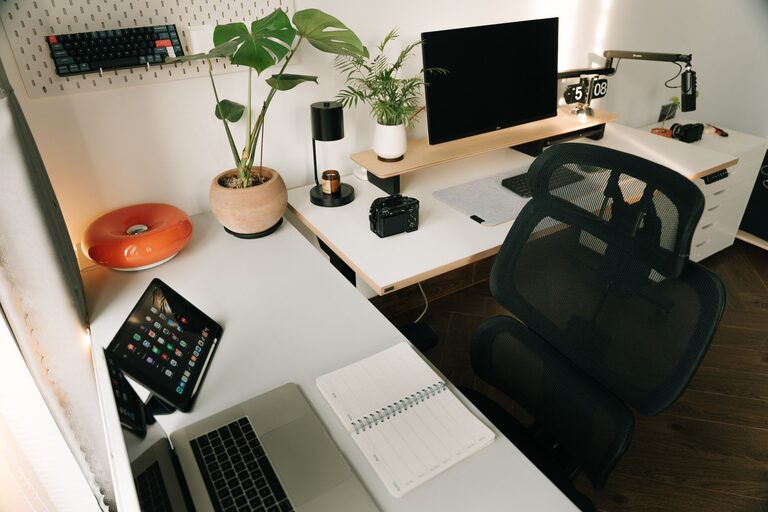
Creating a relaxing home workspace is essential for maintaining productivity and comfort when working remotely or managing tasks at home. A well-designed environment reduces stress, improves focus, and makes your workday more enjoyable. Whether you have a dedicated room or a small corner, you can transform your area into a peaceful and efficient workspace with a few thoughtful changes. Here are some practical tips to help you craft the perfect home office space.
1. Choose the Right Location
Consider Natural Light and Ventilation
Selecting a spot with ample natural light can boost your mood and energy levels. Position your desk near a window if possible, but avoid direct glare on your screen. Good ventilation is just as important to keep the air fresh and maintain alertness throughout the day.
Minimize Distractions
Try to set up your workspace away from high-traffic areas or noisy spots in your home. If space is limited, use room dividers or noise-canceling headphones to create a sense of separation.
2. Invest in Ergonomic Furniture
Comfortable Chair
Choose a chair that supports your lower back, encourages good posture, and has adjustable height settings. Comfort is key to avoid aches and fatigue.
Proper Desk Height
Your desk should allow your arms to rest comfortably at a 90-degree angle while typing. This alignment helps prevent strain on your wrists and shoulders.
3. Organize and Declutter
Keep Essentials Handy
Limit your desk to necessary items such as your computer, notebook, and a few pens. This prevents clutter and distraction.
Use Storage Solutions
Shelves, drawers, and organizers can help keep your supplies and documents tidy and accessible.
Regular Clean-up
Make a habit of clearing your workspace at the end of each day. A clean environment promotes a clearer mind.
4. Personalize Your Space
Add Greenery
Plants not only brighten your space but also improve air quality and reduce stress. Choose low-maintenance options like succulents or spider plants.
Use Calming Colors
Soft tones like greens, blues, or neutrals create a soothing atmosphere. Consider painting an accent wall or adding colorful accessories.
Display Inspiring Items
A motivational quote, a favorite photo, or a piece of art can boost your mood and creativity.
5. Control Lighting and Screen Glare
Use Adjustable Lighting
Supplement natural light with a desk lamp that can be dimmed or repositioned. Avoid harsh overhead lights that can cause eye strain.
Position Your Monitor Properly
Place your computer screen at eye level and about an arm’s length away to reduce neck strain and glare. You might want to use an anti-glare screen protector if necessary.
6. Incorporate Break Areas
Create a Space to Relax
If possible, dedicate a small spot for breaks near your workspace. A comfortable chair or cushion can provide a quick retreat to recharge.
Use Aromatherapy
Scented candles or essential oil diffusers with calming fragrances like lavender or eucalyptus can enhance relaxation during breaks.
7. Establish Boundaries
Set Work Hours
Clearly define your working hours to separate professional tasks from personal time. This helps prevent burnout and encourages focus during work periods.
Communicate Your Workspace Rules
If you live with others, explain your need for quiet and respect during work hours to avoid interruptions.
8. Use Technology Wisely
Organize Digital Files
Keep your computer desktop tidy by regularly sorting files and using folders. This saves time and reduces stress.
Use Productivity Tools
Apps for time management, task tracking, and minimizing distractions can improve your efficiency.
Ensure Reliable Connectivity
Invest in a stable internet connection and quality accessories like a headset or webcam if you attend virtual meetings.
Final Thoughts
Designing a relaxing home workspace doesn’t require a complete overhaul. Small changes in organization, lighting, and comfort can significantly improve your focus and well-being. By creating an environment that suits your needs and preferences, you’ll be better equipped to enjoy a productive and comfortable workday at home.
Remember, your workspace should support your work style and promote a healthy balance between effort and rest. Take the time to experiment and adjust your setup until it feels just right for you. Happy working!